Follow Me On Social Media!

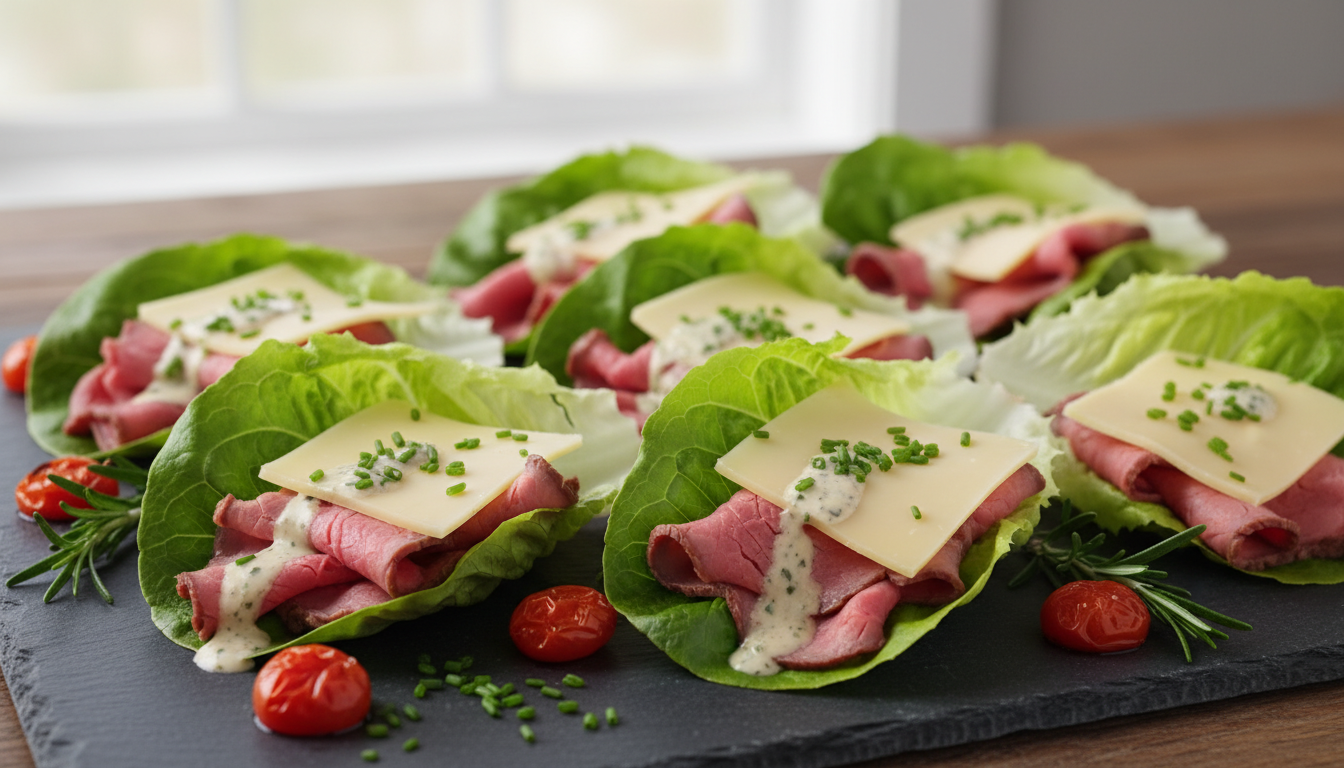
Roast Beef and Swiss Cheese Lettuce Wraps

Roast Beef and Swiss Cheese Lettuce Wraps
In the modern culinary landscape, the shift toward mindful eating has transformed the way we view classic sandwich combinations. The Roast Beef and Swiss Cheese Lettuce Wraps represent the pinnacle of this evolution—a dish that preserves the savory, robust flavors of a traditional deli sandwich while eliminating the heavy carbohydrates associated with bread. This recipe is not just a low-carb alternative; it is a gourmet experience that highlights the quality of its core ingredients through texture and contrast.
Whether you are following a ketogenic lifestyle, looking to increase your daily protein intake, or simply seeking a refreshing and light lunch option, these wraps offer a satisfying crunch and a rich flavor profile. By replacing the bun with crisp, vibrant lettuce leaves, you allow the umami of the roast beef and the nutty complexity of the Swiss cheese to take center stage. In this comprehensive guide, we will explore the nuances of selecting the best ingredients, the art of assembly, and why this particular combination has become a staple for health-conscious foodies everywhere.
The Nutritional Powerhouse: Roast Beef and Swiss Cheese
Roast beef is more than just a tasty deli meat; it is a concentrated source of high-quality protein, essential for muscle repair and metabolic health. When sourced correctly—preferably grass-fed and minimally processed—roast beef provides a wealth of B vitamins, particularly B12, and minerals like iron and zinc. These nutrients play a critical role in energy production and immune function.
Complementing the beef is Swiss cheese, characterized by its iconic holes (or “eyes”) and its distinctive mild, nutty flavor. Swiss cheese is an excellent source of calcium and phosphorus, which are vital for bone health. Additionally, because it is a hard cheese, it often contains less lactose than softer varieties, making it easier to digest for some individuals. The synergy between the iron in the beef and the fats in the cheese ensures a slow release of energy, keeping you satiated for hours.
Selecting the Perfect Lettuce
The success of a lettuce wrap hinges entirely on the structural integrity of the leaf. Not all lettuce is created equal when it comes to wrapping. For the Roast Beef and Swiss Cheese Lettuce Wraps, you have three primary options:
- Butter (Bibb or Boston) Lettuce: This is the gold standard for wraps. The leaves are flexible, cup-shaped, and have a buttery texture that complements the richness of the cheese.
- Romaine Hearts: If you prefer a significant crunch, Romaine is the way to go. The sturdy ribs provide a boat-like structure, though they are harder to “roll” than butter lettuce.
- Iceberg Lettuce: While less nutrient-dense than the others, Iceberg provides the most refreshing, watery crunch. It requires careful peeling to ensure the leaves don’t shatter.
Ingredients
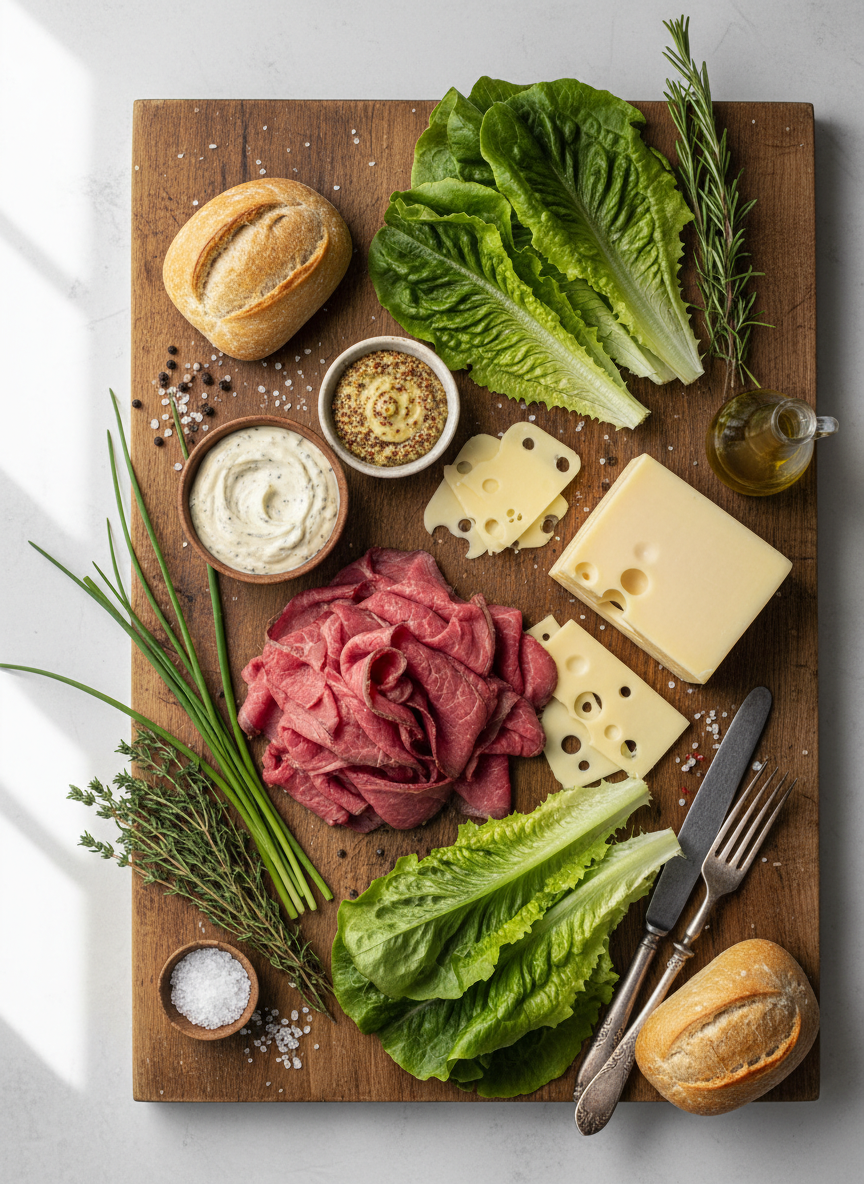
To create the ultimate Roast Beef and Swiss Cheese Lettuce Wraps, gather the following high-quality ingredients:
- Roast Beef: 1/2 pound of thinly sliced, rare to medium-rare roast beef. Look for “top round” or “London broil” cuts at the deli counter.
- Swiss Cheese: 4 to 6 thin slices of Swiss cheese (Emmental or Gruyère styles work beautifully).
- Lettuce: 1 large head of Butter lettuce or 2 hearts of Romaine, washed and dried thoroughly.
- Tomatoes: 1 large Roma tomato, thinly sliced or diced.
- Red Onion: Half a small red onion, shaved into paper-thin rings.
- Condiments: 2 tablespoons of Greek yogurt or mayonnaise, mixed with 1 teaspoon of Dijon mustard and a pinch of prepared horseradish for heat.
- Seasoning: Freshly cracked black pepper and a pinch of sea salt.
- Optional Add-ins: Sliced avocado, sprouts, or pickled cucumbers (cornichons) for extra tang.
Step-by-Step Instructions
Step 1: Prep the Produce
Begin by preparing your lettuce. If using Butter lettuce, cut the stem off the bottom and gently peel away the leaves, keeping them whole. Submerge them in cold water to crisp them up, then spin them dry in a salad spinner or pat them dry with a clean kitchen towel. It is essential that the leaves are bone-dry; moisture on the lettuce will make the wraps slippery and cause the condiments to slide off.
Step 2: Create the Signature Sauce
In a small bowl, whisk together your base (mayonnaise or yogurt), Dijon mustard, and horseradish. This sauce is the “glue” of the wrap and provides the necessary acidity to cut through the richness of the beef and cheese. Season the sauce with a little black pepper, but go light on the salt, as the roast beef and cheese already contain significant sodium.
Step 3: Layer the Flavors
Lay two large lettuce leaves on a flat surface, overlapping them slightly to create a wider surface area. Spread a thin layer of the sauce across the center of the leaves. Place two slices of Swiss cheese over the sauce. The cheese acts as a secondary moisture barrier, preventing the meat from making the lettuce soggy.
Step 4: Add the Beef and Aromatics
Layer the roast beef generously over the cheese. Instead of laying the slices flat, try to “ribbon” or fold them to create volume; this makes for a better mouthfeel. Top the beef with your tomato slices, red onion rings, and any optional extras like avocado. Sprinkle a final touch of black pepper over the vegetables.
Step 5: The Roll and Secure
Carefully fold the sides of the lettuce inward and roll from the bottom up, similar to a burrito. If you are using Romaine, you might treat it more like a taco or a “boat.” For the Butter lettuce wraps, you can secure them with a toothpick or wrap the bottom half in parchment paper for a professional, handheld experience.
Variations and Gourmet Twists
While the classic Roast Beef and Swiss Cheese Lettuce Wraps are incredible on their own, you can easily customize them to suit different flavor profiles:
- The Spicy Kick: Add sliced jalapeños and replace the Dijon with a spicy Sriracha mayo.
- The French Bistro: Use Gruyère cheese instead of standard Swiss and add a few sprigs of fresh thyme or caramelized onions.
- The Mediterranean: Swap the horseradish sauce for hummus and add roasted red peppers and kalamata olives.
- The Crunch Master: Add a layer of crispy bacon or sunflower seeds for an extra textural element.
Pro-Tips for Success
To master the art of the lettuce wrap, keep these tips in mind:
- Double Wrap: If your lettuce leaves are particularly thin, use two leaves per wrap. This adds stability and prevents the wrap from falling apart mid-bite.
- Temperature Matters: These wraps are best served chilled. If you are meal-prepping them, keep the components separate and assemble them just before eating to maintain the crunch of the lettuce.
- Slicing Technique: If you find the wraps too large to handle, slice them in half on a diagonal using a very sharp serrated knife. This creates a beautiful presentation and makes them easier to eat.
Why This Recipe Works for Weight Loss
The Roast Beef and Swiss Cheese Lettuce Wraps are a staple in weight loss circles for a reason. By removing the bread, you are cutting approximately 150-200 calories and 30-40 grams of simple carbohydrates per serving. This prevents the insulin spikes that can lead to fat storage and energy crashes. Instead, the high protein and fat content provide a steady stream of satiety signals to the brain, helping you stay full longer and reducing the urge to snack throughout the afternoon.
Conclusion
The Roast Beef and Swiss Cheese Lettuce Wraps prove that healthy eating does not have to be synonymous with sacrifice. This dish is a celebration of simple, high-quality ingredients coming together to create something greater than the sum of its parts. It is elegant enough for a light dinner party yet simple enough for a five-minute workday lunch. By focusing on the crunch of the lettuce, the richness of the roast beef, and the sharpness of the Swiss cheese, you create a balanced, nutritious, and undeniably delicious meal that honors both your health goals and your palate.